Dallas Morning News – November 25, 2021
Cool Season and Edible Flowers
Hopefully many of you are growing cool-season veggies. If not, it’s not too late. Plants grown for their immature flowers or foliage and like the cold weather include lettuce, spinach, carrots, kohlrabi, Swiss chard, radishes, artichokes, broccoli, cauliflower and cabbage.
Peas and broad beans of various kinds produce edible seeds. Poppy, dill, fennel, coriander, and caraway are very easy to grow for their edible seeds. All of these culinary seeds are costly to buy but easy as pie to grow and collect. If you haven’t planted any yet, there is still time and not a great expense if the weather gets mean.
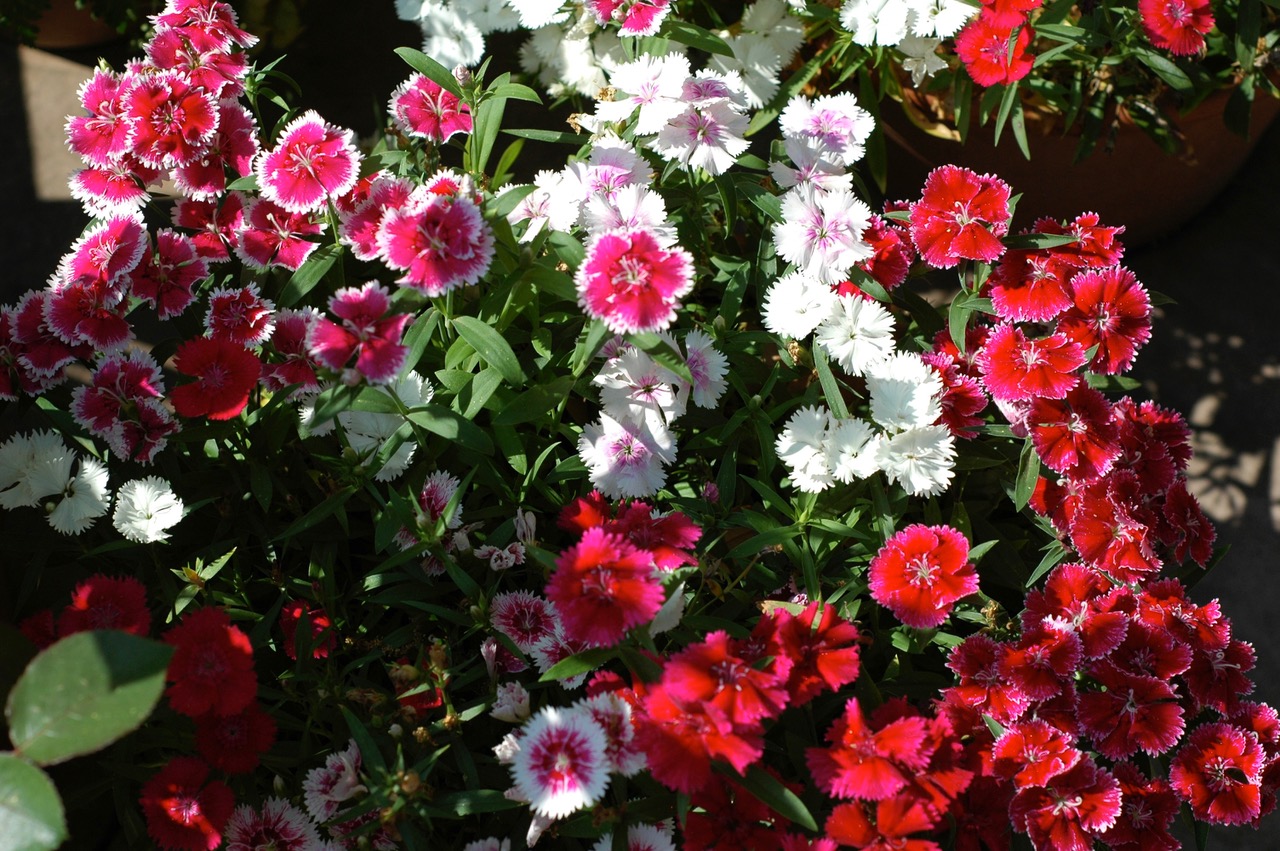 Dianthus – edible |
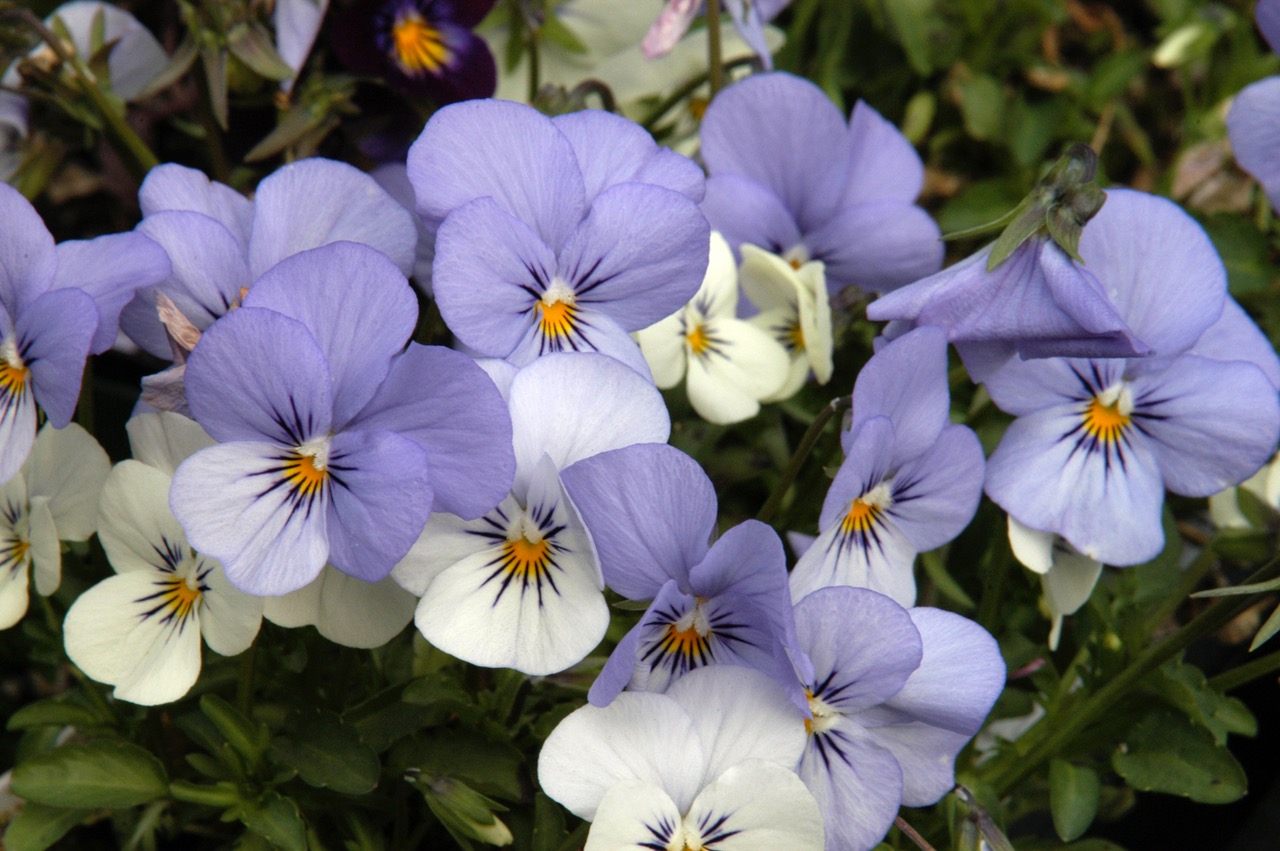 Johnny Jump-ups – edible |
There are also some beautiful flowering annuals for the landscape that do well in the cool/cold weather – and are edible. Among the best are dianthus, pansies, Johnny jump-ups and calendulas for flowers and flowering kale and Swiss chard for foliage. Not only is Swiss chard beautiful, it’s good for you and good for the dogs. Chop up some of the stems and add to their food – they’ll love it.
Osteospermum can survive mild winters. This edible flower belongs to the calendula family, looks like a daisy but bigger and doesn’t give a really strong smell or flavor to your dishes.
Roses as well as orange and other citrus flowers are commonly used. Lavender is a favorite of many gardeners. Chrysanthemums are also edible.
 Swiss chard is edible |
Edible flowers can be munched directly, used as garnish, mixed in salads or used in herb teas.
Of course, not all flowers are edible. Some are poisonous either naturally or from the use of toxic chemical pesticides. Flowers from florists, nurseries and traditional garden centers should not be eaten. If your garden center is organic, eat away. After any plants have been under the organic program in your garden, they should be good to eat.
RULES FOR EDIBLE FLOWERS
- Not all flowers are edible. Some are poisonous. Learn the difference.
- Eat flowers only when you are positive they are edible and non-toxic.
- Eat only flowers that have been grown organically – not those from the grocery store.
- Do not eat flowers from florists, nurseries or garden centers unless you know they’ve been maintained organically.
- Do not eat flowers if you have hay fever, asthma or allergies.
- Do not eat flowers growing on the side of the road.
- Remove pistils and stamens the reproductive parts in the middle of large flowers before eating. Eat only the petals of the larger flowers.
- Introduce flowers into your diet the way you would new foods to a baby – one at a time in small quantities
- Pregnant women should be particularly careful.
- Edible flowers can be used to enhance food at breakfast, lunch and dinner – also for snacks.
Happy Thanksgiving to all my readers!